- Our treatment
Restore Your Teeth Naturally With Biomimetic Restorations
Toothtown Dental Clinic, Coimbatore provides modern restorative treatments designed to preserve as much healthy tooth structure as possible. Biomimetic restoration focuses on restoring damaged or lost tooth structure with biocompatible materials that closely mimic the natural function and appearance of the tooth.
Depending on the size and condition of the cavity, treatment may include direct composite fillings, inlays, onlays, overlays, crowns, bridges, or veneers. The appropriate restoration is selected after carefully assessing the remaining healthy tooth structure and overall dental condition.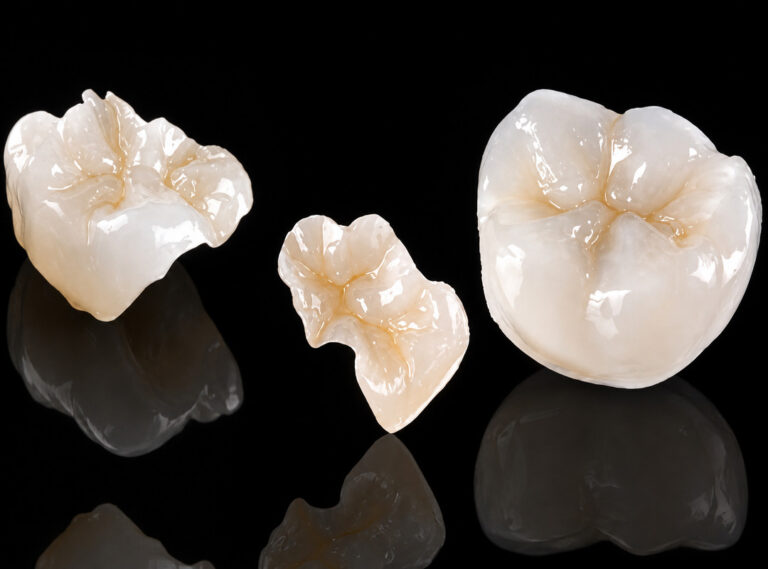
Biomimetic Restorations
Strong, Natural-Looking Tooth Restoration
Direct Composite Restoration is a tooth-coloured filling used for smaller cavities and areas with limited tooth damage. It restores the tooth’s natural shape and function while providing an aesthetically pleasing appearance.
For teeth with more extensive damage, Indirect Restorations such as inlays, onlays, overlays, crowns, bridges, and veneers may be recommended. These restorations are custom-made outside the mouth and bonded or cemented to the tooth using suitable materials such as ceramic, composite, or metal, depending on the patient’s functional and aesthetic needs.
- Know Your Treatment
Biomimetic restorations are designed to restore lost tooth structure while preserving as much healthy natural tooth structure as possible.
A direct composite restoration is a tooth-coloured filling bonded directly to the tooth and is commonly used for smaller cavities.
Inlays and onlays are indirect restorations made outside the mouth. An inlay fits within the tooth, while an onlay covers a larger portion of the biting surface.
Indirect restorations may be considered when a larger portion of the tooth has been damaged but sufficient healthy tooth structure remains for restoration.
Depending on the tooth and treatment requirements, restorations may be made using full ceramic, composite, nickel-chromium, gold, or other suitable dental materials
In suitable cases, preserving healthy tooth structure and restoring a damaged tooth early may help avoid more extensive treatment. However, if the dental pulp is significantly affected or the tooth has deep infection, root canal treatment may be necessary
- Patient Journey
Your Journey to a Healthier, More Confident Smile
Dental Consultation
We understand your concerns and restoration needs.
Tooth Assessment
We check the cavity, damaged area,remaining tooth structure.
Treatment Planning
We select the most suitable restoration for your tooth.
Tooth Preparation
Damaged or decayed tooth structure is carefully removed and prepared.
Restoration Placement
Your customized filling or indirect restoration is accurately fitted.
Final Check & Care
We check the bite, fit, and comfort and provide care guidance.